

Picture this: you’re standing in the hardware store, staring at rows of beautiful fixtures, and you can’t decide between brushed nickel and stainless steel. Sound familiar? You’re definitely not alone in this dilemma.
Whether you’re updating that master bathroom you’ve been dreaming about, choosing hardware for your kitchen renovation, or just trying to replace a worn-out faucet, the brushed nickel vs stainless steel decision feels bigger than it should. And honestly, it kind of is.
Here’s what you’re probably wondering: Will brushed nickel look dated in five years? Does stainless steel show every single water spot? Which one actually lasts longer? And most importantly – which finish will you still love when the novelty wears off?
You’ve come to the right place. Both finishes bring their own strengths to the table, but they’re not interchangeable. Brushed nickel gives you that warm, forgiving look that hides fingerprints and water spots beautifully. Stainless steel? It’s the marathon runner of finishes – built to last decades with incredible corrosion resistance.
We’ll walk you through everything you need to know about these two popular finishes, from how they perform in real-world conditions to which one makes sense for your specific situation. Trust us – it will save you all sorts of headaches down the road.
What You’re Really Getting: Brushed Nickel vs Stainless Steel Finishes
Before you make your final choice, you need to understand what you’re actually buying. These aren’t just different colors – they’re fundamentally different materials with different strengths and weaknesses.
What is Brushed Nickel?
Here’s the thing about brushed nickel: it’s not actually nickel all the way through. Brushed nickel is a finish that gets applied to another base metal through electroplating. That base could be brass, zinc, or steel – and yes, this matters for how long your fixture will last.
The magic happens after the nickel coating goes on. Manufacturers run wire brushes or fine abrasive tools across the surface, creating those subtle grooves and faint lines that give brushed nickel its signature matte look. It’s this textured surface that makes brushed nickel so forgiving when it comes to hiding fingerprints and water spots.
The nickel alloy itself is mostly nickel with additions of copper, zinc, and sometimes iron. Many manufacturers add a clear protective coat over the nickel layer to help it last longer. That brushing process isn’t just for looks – it reduces light reflection and helps mask fingerprints, water spots, and minor scratches.
Here’s what makes brushed nickel special: that warm tone comes from its nickel-copper composition. This warmth creates a soft, mellow sheen that works particularly well if you’re going for traditional or transitional design schemes. When you touch it, the textured surface feels slightly rough, which is how you can tell it apart from smoother finishes.
One thing to keep in mind – color consistency varies across manufacturers, unlike standardized finishes such as chrome. This can create matching headaches if you’re trying to coordinate fixtures from different brands.
What is Stainless Steel?
Stainless steel is a completely different beast. Instead of a coating applied to something else, stainless steel is an actual alloy – meaning the material is consistent all the way through. The alloy is primarily iron and chromium, with chromium content exceeding 10.5%.
That chromium is the secret sauce. It creates a thin, invisible oxide layer on the surface that prevents rust and corrosion. Pretty cool, right? For your home, you’ll most commonly encounter 304 stainless steel, which works great for most applications, and 316 stainless steel, which offers higher corrosion resistance for marine or extreme environments.
The alloy can contain additional elements such as carbon, nickel, and molybdenum, depending on the specific grade. You might find stainless steel as a solid material throughout a fixture or as plating applied over another metal core. Solid stainless steel provides superior durability, particularly for outdoor applications.
Getting that brushed look on stainless steel involves mechanical processing. The industry standard for brushed stainless steel is the No. 4 Finish, which has short, parallel polishing lines. This finish gets created using polishing belts and brushes with 150-180 grit abrasives. The result? A mildly reflective, unidirectional surface quality with a muted color and very fine lines. Stainless steel varieties 304 and 316 work best for brushed metal finishing because the material’s toughness allows precise grain lines without warping.
The Real Difference That Matters
The fundamental distinction comes down to this: stainless steel is an alloy that can be solid throughout, whereas brushed nickel is always a coating applied to another base metal. This difference affects everything about how these finishes perform.
The chromium in stainless steel forms a self-healing oxide layer that continuously protects against corrosion. Brushed nickel, on the other hand, relies on a relatively thin plating that can wear through over time. Think of it this way – if stainless steel gets scratched, you’re just scratching more stainless steel. If brushed nickel gets scratched deep enough, you might see whatever’s underneath.
Stainless steel maintains its color and appearance longer, especially in moist conditions. The chromium oxide coating resists wear more effectively than nickel plating. While brushed nickel offers decent corrosion resistance through its nickel coating, this protection diminishes as the plating wears. Bottom line? Stainless steel generally outperforms brushed nickel in durability, particularly in environments with moisture exposure and frequent wear.
Brushed Nickel vs Stainless Steel for Bathroom Fixtures
Bathrooms are tough on fixtures. Between the daily splash of water, steamy showers, and constant touching, your finish choice really matters here. Let’s break down how these two finishes actually perform where it counts.
Bathroom Faucet Comparison
Here’s the deal with brushed nickel faucets: they’re incredibly forgiving. Those warm undertones hide water spots and fingerprints like magic. You can go days without wiping them down and they still look clean. The nickel coating handles everyday bathroom life pretty well, though the quality of the plating and what’s underneath makes all the difference.
Stainless steel faucets play a different game entirely. Since stainless steel is an alloy through and through, it fights corrosion from the inside out rather than depending on a surface coating. Grade 304 works great for most bathrooms, but if you’re near the coast or dealing with serious humidity, grade 316 with its higher molybdenum content is your best bet. Unlike plated finishes, stainless steel won’t peel or flake, and it can take a beating without showing damage.
Stainless Steel Shower Heads vs Brushed Nickel
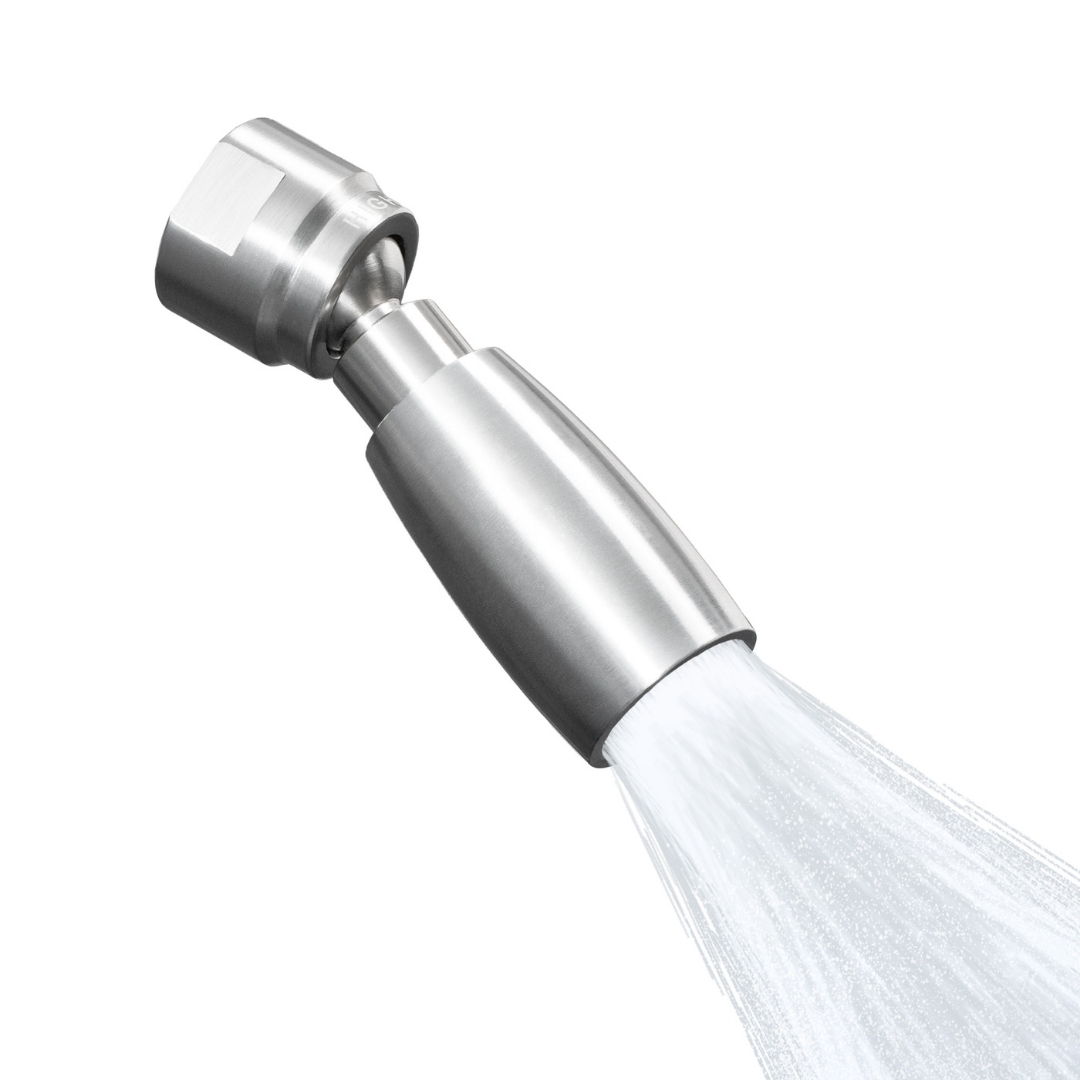
Shower heads tell the durability story pretty clearly. Stainless steel’s non-porous surface just shrugs off water damage, keeping that same appearance year after year. It doesn’t lose its shine even with daily use. Plus, it’s naturally hygienic and easy to keep clean.
Brushed nickel shower heads bring warmth and charm to your space. They’re perfect for traditional or cozy bathrooms where you want that softer feel. The finish holds up well against corrosion and tarnish, though it does need a bit more attention to stay looking its best.
Tale of the tape: Stainless steel shower heads are an excellent investment if durability is a priority.
Shower Door Hardware Considerations
Shower door hardware lives in a brutal environment – constant moisture, soap scum, and steam. Stainless steel handles this like a champ with its superior corrosion resistance and serious strength. It’s built for luxury bathrooms and high-traffic spaces where failure isn’t an option. The clean, modern look fits perfectly with contemporary designs.
Brushed nickel hardware gives you that softer shine that doesn’t show fingerprints like polished finishes do. It’s remarkably versatile, working just as well in a traditional farmhouse bathroom as it does in a modern space.
Towel Bars and Accessories
Here’s something people don’t think about enough: consistency matters. When all your bathroom hardware matches, everything feels intentional and polished. Brushed nickel towel bars are practically maintenance-free – just wipe away fingerprints or smudges when you notice them. The finish plays well with other accessories, making coordination simple.
One mistake we see all the time? Mixing brushed nickel and brushed stainless steel. They look similar enough that people think they’ll work together, but they’re just different enough to create that “something’s off” feeling. Pick one finish for all your bathroom hardware and stick with it.
Brushed Nickel vs Stainless Steel for Kitchen Fixtures
Kitchens are where finishes really get put to the test. Between the constant cooking, cleaning, and handling, your fixtures face heat, food acids, and way more daily abuse than anything in your bathroom.
Kitchen Faucet Performance
Brushed nickel brings that warm, understated elegance that makes your kitchen feel welcoming. The muted finish doesn’t scream for attention, which is perfect when you want your backsplash or countertops to be the star. Plus, it’s incredibly forgiving – water spots and fingerprints practically disappear into that textured surface. If you’re someone who doesn’t want to wipe down the faucet every time you use it, this is a huge win.
Stainless steel takes a different approach. It’s the sleek, modern choice that pairs beautifully with contemporary kitchen designs. The durability is where stainless steel really shines – scratches, stains, and corrosion barely faze it. Since it’s solid alloy all the way through, even when it does get scratched, you won’t see a different color underneath.
Brushed nickel? Well, that’s a different story. It’s essentially a coating over another metal, so heavy use can eventually wear through to reveal whatever’s underneath. Kitchen faucets see a lot of action, and that constant contact can take its toll on nickel plating over time.
The trade-off with stainless steel is maintenance. Water spots show up like neon signs on that surface. You’ll want to dry it off after each use if you care about keeping it spotless. But here’s the thing – that extra effort pays off with years of reliable performance.
Sink Hardware and Accessories
Coordination is everything when it comes to sink accessories. If you’ve got stainless steel appliances, brushed finishes naturally play well together. Just pay attention to undertones – cooler tones work with stainless steel, warmer ones complement brushed nickel.
Both finishes are pretty straightforward to clean with a soft cloth and mild soap. Brushed nickel has that magic ability to camouflage smudges better than shinier surfaces. Stainless steel with a brushed treatment helps hide smudges too, though not quite as well as nickel.
Cabinet Hardware Coordination
Cabinet hardware is where things get interesting. Brushed nickel works across virtually any design style you can think of – traditional, modern, farmhouse, transitional. That slightly warm color plays nice with different wood finishes and paint colors. It’s like the Swiss Army knife of finishes when it comes to flexibility.
Stainless steel hardware can look amazing, but it has its limits. Drop it into a traditional or farmhouse kitchen and it might stick out like a sore thumb. Some homeowners actually avoid matching stainless steel hardware with stainless steel appliances – they prefer a little contrast.
For outdoor kitchens, though? Stainless steel wins hands down due to weather resistance. And brushed nickel still hides fingerprints better thanks to its color characteristics.
Durability-wise, stainless steel cabinet hardware is practically bulletproof – no corrosion, no tarnishing, no scratching issues. Being solid metal alloy means exceptional longevity with minimal fuss. Nickel hardware looks great but can dull and tarnish over time despite its corrosion resistance. The plating might flake or scratch, and certain exposures cause deterioration. Stainless steel sidesteps all these problems entirely.
The Price Reality
Let’s talk money. Stainless steel typically costs more than brushed nickel. Brushed nickel uses quality materials and treatments, making it pricier than basic options but generally more affordable than stainless steel.
The real question is this: do you want to pay more upfront for something that lasts decades, or save money now and potentially replace it sooner? That’s the value equation you’re really looking at.
How These Finishes Actually Look (And Why It Matters)
Here’s the thing about choosing finishes – it’s not just about what looks good in the showroom. How these materials interact with your lighting, your existing decor, and even your daily routine makes all the difference.
The Color Story: Warm vs Cool
The visual difference between brushed nickel and stainless steel comes down to temperature – and we’re not talking about how hot or cold they feel. Brushed nickel displays a warm, muted gray appearance with subtle beige undertones. That yellowish or champagne-toned quality is what makes it play so nicely with cream tiles, beige countertops, and warm lighting. The slightly coppery undertone varies by manufacturer, which gives it that gentle, inviting feel that works so well in cozy spaces.
Stainless steel? It’s the cool kid on the block. This finish reflects a cooler gray tone, with a silver-gray appearance that pairs beautifully with white, black, or minimalist palettes. The neutral or slightly bluish sheen maintains that muted silver with matte undertone. That cooler temperature is exactly what creates the crispness you see in modern, clean-lined spaces.
Texture Matters More Than You Think
Both finishes soften shine and hide small imperfections, but here’s where they diverge. Brushed nickel tends to diffuse light more warmly, creating a soft, decorative look with subtle sheen and slight grain texture. The matte quality helps fixtures blend into designs rather than stealing the show. This proves valuable when you want your gorgeous subway tile or statement backsplash to be the star.
Stainless steel maintains consistent visual appearance over time – what you see is what you get, year after year. While it also features a matte surface with directional grain, stainless steel gives you that understated, utilitarian look. You can also find it in high-gloss polished versions if you want reflective surfaces with clean, silvery tones. That shine adds interest to neutral spaces and complements attention-grabbing details to increase visual depth.
Setting the Room’s Personality
Want to know which finish fits your style? Brushed nickel suits transitional or traditional bathrooms and kitchens where warmth and softness are the goal. The finish works across traditional, modern, farmhouse, and transitional design schemes, though it really shines in traditional and French country styles. Its versatility lets it blend seamlessly with various looks without overwhelming the space.
Stainless steel proves ideal for modern, industrial, or minimalist environments with clean, crisp lines. The sleek appearance delivers contemporary edges that make kitchens feel brighter and more open. That clean, modern, industrial look creates bold, masculine design when you pair it with high-gloss countertops and strong architectural lines.
Playing Well with Others
Mixing metals can add interest, depth, and timelessness to your design – but there are rules to this game. Focus on finishes when coordinating, because stainless steel appliances work best with other brushed metals due to similar buffed, glowing grain. The general rule? Mix between metal element categories while matching within each category. So coordinate all your cabinetry hardware in one finish, even if your plumbing fixtures use something different.
Brushed nickel mixes well with natural stone and wood, giving you greater design flexibility. Stainless steel requires more thoughtful coordination – matching fixtures with appliances can create too much shine in one space. Pairing stainless steel with wood generates industrial vibes that might not suit everyone’s taste.
How These Finishes Hold Up Over Time
Here’s where things get interesting – and where the real differences between brushed nickel and stainless steel start to show. You can admire how a finish looks all you want, but if it can’t handle daily life in your home, you’re going to regret that choice pretty quickly.
Real-world performance tells a completely different story than showroom appearances.
Scratch Resistance: The Daily Wear Test
Stainless steel takes the crown here with high scratch resistance, while brushed nickel sits somewhere in the middle. That gap? It’s bigger than you might think, especially if you’ve got kids, pets, or just live an active life around your fixtures.
Here’s what happens in high-traffic areas: stainless steel just keeps on trucking. The material’s solid all the way through, so even when it does get scratched, those minor marks actually blend into that brushed texture rather than standing out like a sore thumb. Pretty clever, right?
But brushed nickel? Once that coating gets compromised, you’ll know it immediately. And there’s really no going back from there. You can’t just buff it out like you can with stainless steel – what you see is what you get.
Think about those high-touch spots like faucet handles and towel bars. That’s where plated finishes really start to show their age through everyday cleaning, constant contact, and the moisture that’s always present in bathrooms. It’s why so many commercial projects end up switching from brushed nickel to stainless steel after getting complaints.
Corrosion Resistance: The Moisture Battle
This is where stainless steel really flexes its muscles. The chromium in stainless steel creates this invisible protective layer that actually heals itself when it gets damaged. Think of it as having a built-in repair system that never stops working.
Water, steam, cleaning products – stainless steel handles it all without breaking a sweat. Living near the coast? Grade 316 stainless steel laughs at salt air and humidity that would make other finishes cry uncle.
Brushed nickel? It’s got decent corrosion resistance, but once that coating starts wearing thin, trouble’s not far behind. Coastal areas and high-humidity spots can be particularly rough on nickel plating. The protection is only as good as the thickness of that plating and how well it was applied in the first place.
High-Moisture Performance: The Bathroom Reality Check
Your bathroom is basically a torture test for finishes. Between hot showers, cleaning products, and constant moisture, it’s not exactly a gentle environment.
Stainless steel’s non-porous surface just shrugs off water damage. Years go by, and it still looks pretty much the same as the day you installed it.
Brushed nickel needs more babying to keep looking good in these conditions. If you ended up with thin plating or it wasn’t sealed properly, you might start seeing wear at those high-touch points sooner than you’d like. Sure, you can get multi-layer plating with protective topcoats to help with this, but that drives up the cost.
Long-Term Performance: What the Pros Know
Want to know which finish really lasts? Look at what restaurants and hospitals choose. They go with stainless steel because it handles the daily abuse without complaint. These places can’t afford to replace fixtures every few years – they need something that works year after year.
For outdoor kitchens, grade 316 stainless steel is pretty much your only real choice. It handles hard water, constant moisture, and sun exposure like it’s nothing.
Now, here’s something worth mentioning: a high-quality brushed nickel fixture can absolutely outlast a cheap stainless steel one. Quality matters, no matter what finish you choose. But when you’re comparing apples to apples – equivalent quality levels – stainless steel wins the longevity game, especially in humid or high-use spots.
The bottom line? If you want something that’s going to look good for decades with minimal fuss, solid stainless steel is your best bet.
Keeping Your Fixtures Looking Their Best
Here’s the thing about maintenance – it’s where the rubber meets the road with these two finishes. Sure, they both look great in the showroom, but how much work are you really signing up for?
The short answer? It depends on what you can live with day-to-day.
Your Daily Cleaning Routine
Brushed Nickel: The Low-Maintenance Friend
Brushed nickel plays nice with your busy schedule. A weekly wipe-down with a soft microfiber cloth and some warm water usually does the trick. Got a stubborn spot? Grab a pH-neutral cleaner and you’re golden.
Here’s a pro tip: Always wipe with the grain direction to avoid those annoying swirl marks. Rinse it off, dry with a lint-free towel, and you’re done. For the high-touch spots like handles, a quick daily wipe keeps things looking fresh.
Stainless Steel: The Higher-Maintenance Perfectionist
Stainless steel demands more attention, especially if you want it looking spotless. You’ll need to wipe it down after each use – yes, each use. Mild dish soap and warm water handle the everyday stuff, but you might need specialized stainless steel cleaners for the tough spots.
Always test cleaners in a hidden spot first. And just like with brushed nickel, follow the grain when wiping. The real key? Rinse thoroughly and dry immediately, or those water spots will haunt you.
The Water Spot and Fingerprint Reality Check
This is where brushed nickel really shines – literally. Its textured surface breaks up light reflections, so water spots basically disappear into the grain instead of standing out like sore thumbs. If you live in a hard water area, you’ll appreciate this big time. Stainless steel shows every single spot unless you’re quick with the towel.
Fingerprints? Brushed nickel hides them beautifully thanks to that warm undertone. Stainless steel, especially the polished versions, turns every water droplet into a bright streak or smudge that screams “clean me!”.
What Actually Works for Cleaning
Keep it simple – both finishes respond well to mild soap or neutral household cleaners. A microfiber cloth and daily wiping usually covers your bases.
For stainless steel, diluted vinegar works wonders on stubborn deposits, but don’t let it sit on brushed nickel – it can damage the plating. The good news? Stainless steel tolerates most household chemicals without breaking a sweat, making long-term care easier.
The Cleaning No-No List
Pay attention to this part – it could save your fixtures.
Skip the abrasive sponges, bleach, and anything with chlorine. These will wreck nickel plating and leave your stainless steel looking dull. Bleach and ammonia-based products are particularly brutal on brushed nickel, stripping the finish and leaving it looking lifeless.
For stainless steel, undiluted vinegar might seem harmless, but it slowly degrades that protective layer over time. Glass cleaners with ammonia create streaks and haze. And here’s one that catches people off guard – those abrasive scrub pads permanently scratch both finishes, even though they seem like they’d work great. Steel wool is especially sneaky – it looks like it’s cleaning tough stains on stainless steel, but it’s actually damaging the protective layer.
Cost Comparison and Value Analysis
Here’s the thing about fixture pricing – the sticker shock isn’t the whole story. Sure, you’ll notice the upfront difference when you’re shopping, but the real cost reveals itself over years of ownership.
Initial Purchase Price Differences
Brushed nickel faucets range between $100 and $1,100, while stainless steel faucets run $100 to $600. Interesting, right? Brushed nickel actually spans a broader price spectrum with higher-end options available. You can find quality fixtures in either material regardless of your budget.
For shower applications, brushed nickel tends toward more budget-friendly pricing compared to stainless steel. The cost difference comes down to manufacturing complexity – stainless steel undergoes various production steps that enhance wear resistance.
The price variability in brushed nickel makes sense when you understand what’s happening beneath the surface. Since nickel functions as a plating over different base metals, the quality of that underlying material directly impacts both performance and cost. Stainless steel, being an alloy throughout, maintains more consistent pricing relative to quality grade. The material composition ratio in stainless steel influences total costs.
Installation Cost Considerations
Labor adds $175 to $360 to total replacement expenses. This installation fee applies regardless of which finish you choose, making the material selection your primary cost differentiator.
If you’re handy with basic tools, you can tackle installation yourself and eliminate labor charges entirely. But professional installation prevents those potential complications that could cost you more down the road in repairs or replacements.
The good news? Installation complexity remains similar between finishes. Neither brushed nickel nor stainless steel requires specialized tools or techniques beyond standard plumbing practices.
Long-Term Value and Replacement Needs
This is where the math gets interesting. While brushed nickel appears cheaper initially, stainless steel delivers lower lifecycle costs.
Think about it this way: procurement decisions should factor in replacement rates due to finish wear, labor costs from maintenance complexity, and potential downtime if you’re dealing with high-traffic areas.
Stainless steel typically wins the long-term value game when service life needs to exceed typical renovation cycles, environments involve moisture or chemical cleaning, or visual consistency over time matters. The material simply maintains its appearance longer with less intervention required.
Here’s the reality check: stainless steel fixtures operate reliably for decades without finish deterioration, whereas brushed nickel requires replacement once the plating wears through. That shorter service life adds up over your property ownership duration. Brushed nickel might look cheaper at purchase, but stainless steel proves cheaper across years of use.
The bottom line? Factor in your timeline, usage patterns, and tolerance for maintenance when making your decision.
Making Your Final Decision
Alright, here’s where the rubber meets the road. You’ve got all the information you need – now it’s time to make the call that’s right for your home and your lifestyle.
When Brushed Nickel Makes Perfect Sense
Brushed nickel shines brightest (pun intended) in traditional or rustic kitchen themes. That warm, inviting tone just feels right when you’re going for cozy farmhouse vibes or classic elegance. The subtle sophistication works beautifully in modern spaces too – it’s not going to fight with your gorgeous subway tile backsplash or steal thunder from that statement light fixture you splurged on.
Budget-wise? Brushed nickel wins hands down. When you’re trying to stretch those renovation dollars, this finish lets you put money toward other priorities without sacrificing style. Plus, if you’ve got black or white appliances instead of stainless steel, brushed nickel actually coordinates better anyway.
The matte finish creates that soft, understated look that doesn’t scream for attention. Perfect when you want fixtures that blend seamlessly rather than make a bold statement.
When Stainless Steel Is Worth Every Penny
Stainless steel is your best friend in modern, industrial, or minimalist spaces with those clean, crisp lines. If your design leans more understated and neutral, that high-gloss shine adds just the right amount of interest without overwhelming the space.
Here’s the big one: if you’ve already got stainless steel appliances, matching faucets and fixtures pull everything together beautifully. It’s that cohesive look that makes spaces feel intentional and polished.
But let’s be real about durability – stainless steel is the clear winner here. Yes, it costs more upfront, but you’re basically buying once and forgetting about it for decades. Outdoor kitchens? No contest – solid stainless steel handles weather like a champ. High-traffic areas where kids are constantly grabbing fixtures? Stainless steel laughs off the abuse.
Mixing Finishes Without Making a Mess
Want to mix metals? It can look amazing when done right. Stick to two, maybe three finishes max per space. Any more than that and you’re heading into visual chaos territory.
Here’s what not to do: don’t pair brushed nickel with brushed stainless steel. They’re just similar enough to look like you tried to match but failed. Instead, go for deliberate contrast – maybe matte black cabinet hardware with brushed nickel plumbing fixtures.
Keep all your plumbing fixtures in the same finish. Then you can play with cabinet hardware, lighting, and accessories to introduce variety. Make sure everything coordinates with your cabinetry, countertops, and flooring too.
Don’t Make These Rookie Mistakes
Match your bathroom and kitchen fixtures for that pulled-together look. Your cabinet hardware – including those hinges you might forget about – needs to coordinate with your faucet finishes. Don’t overlook lighting fixtures either, or you’ll end up with a clashing mess.
Without stainless steel appliances to anchor the look, stainless steel fixtures can feel out of place and actually detract from your design. Trust your gut here – if something feels off or draws attention for the wrong reasons, it probably is.
The bottom line? Choose the finish that makes sense for your lifestyle, budget, and design goals. You’re the one who has to live with it every day, so go with what feels right for your home.
Sometimes you just need the facts laid out clearly. We’ve covered a lot of ground already, but when you’re making that final decision, having everything in one place helps enormously.
Here’s your side-by-side comparison of these two popular finishes – use this as your go-to reference when you’re weighing your options:
| Brushed Nickel | Stainless Steel | |
| Material Type | Surface coating/plating applied to base metal (brass, zinc, or steel) | Solid alloy throughout (iron + chromium >10.5%) |
| Color Tone | Warm, muted gray with beige/yellowish undertones; slightly coppery | Cool, neutral gray with silver tone; slightly bluish sheen |
| Finish Texture | Matte with subtle grain texture; diffuses light warmly | Matte with directional grain; can also be high-gloss polished |
| Design Style | Traditional, transitional, farmhouse, French country | Modern, industrial, minimalist, contemporary |
| Scratch Resistance | Medium | High |
| Corrosion Resistance | Moderate; vulnerable in coastal/high-humidity areas; depends on plating thickness | Excellent; self-healing chromium oxide layer; superior in wet environments |
| Repairability | Difficult to repair once damaged | Can be re-polished to remove surface damage |
| Durability Rating | Good (depends on plating quality) | Superior (especially grades 304 and 316) |
Final Thoughts on Brushed Nickel vs Stainless Steel
Look, we’ve covered a lot of ground here, but the choice really comes down to this: stainless steel wins the durability game, hands down.
If you’re the type of person who wants to install fixtures once and forget about them for the next twenty years, stainless steel is your friend. Yes, you’ll pay more upfront. Yes, you’ll need to wipe down those water spots more often. But you’re getting decades of reliable performance without worrying about plating wearing off or finishes looking tired.
That said, brushed nickel isn’t going anywhere – and for good reason. When you’re working with a tight budget or designing a cozy, traditional space, brushed nickel delivers that warm, forgiving look that just works. It hides those everyday smudges beautifully and gives you more flexibility when you’re not dealing with stainless steel appliances.
Here’s the bottom line: choose stainless steel when durability matters most – high-traffic bathrooms, busy kitchens, anywhere that gets heavy use. Go with brushed nickel when you love the warm aesthetic and you’re not putting fixtures through the wringer every single day.
Whatever you choose, stick with it throughout each room. Mixing these two finishes rarely looks intentional, and consistency will always give you that polished, put-together result you’re after.
Trust your instincts on this one. You know your home, your habits, and your priorities better than anyone else. Either finish can look fantastic when it’s the right choice for your situation.