
You’re standing in the home improvement store, staring at fixtures, and the question hits you: chrome or stainless steel? Whether you’re renovating your bathroom or upgrading kitchen hardware, this choice comes up again and again.
Chrome has been the go-to for years, and it’s easy to see why. That mirror-like shine catches the light beautifully, and the price tag won’t make you wince. But stainless steel? That’s where things get interesting. We’re talking about fixtures that can last two decades or longer with minimal maintenance.
Sounds tempting, right? But the decision goes deeper than just picking what looks good. You’re not just choosing a finish – you’re making a call that affects your wallet, your cleaning routine, and how often you’ll be back at that same store replacing everything.
We’ll walk you through everything you need to know about chrome vs stainless steel bathroom fixtures and kitchen hardware. From faucet performance to shower head durability, you’ll have the facts you need to make the right choice for your home. The truth is, stainless steel proves more cost-effective over time due to its resistance to wear and damage – though chrome certainly has its place in specific situations.
Understanding Chrome and Stainless Steel Materials
Before you can make a smart choice between these two options, you need to understand what you’re actually getting. The differences go much deeper than surface appearance.
What is Chrome Finish and How It’s Made
Chrome isn’t actually a material – it’s a coating. The process involves electroplating a thin layer of chromium onto a metal object. Think of it like a very sophisticated paint job that uses an electrical current to deposit chromium ions from a chromic acid solution onto a base metal substrate, typically steel, aluminum, brass, or copper. Before plating, the base metal undergoes thorough cleaning and polishing to prevent defects in the final coating.
There are two distinct types, and they serve very different purposes. Decorative chrome features a thinner layer ranging from 0.003 to 10 μm, usually applied over a nickel layer for corrosion resistance and that eye-catching appeal. Hard chrome? That’s designed for industrial applications, measuring between 20 to 40 μm in standard applications, though it can reach 100 μm or thicker for extreme wear resistance.
The result is that mirror-like surface that enhances appearance while providing a protective barrier against environmental elements.
What is Stainless Steel and Its Composition
Stainless steel takes a completely different approach. It’s an iron-based alloy containing a minimum of 10.5% chromium. Here’s the clever part – the chromium reacts with oxygen to form a thin, stable chromium oxide layer on the surface. This passive film protects against rust and surface degradation, with a self-repairing capability when damaged.
The composition typically includes additional elements that enhance specific properties. Nickel increases toughness, ductility, and corrosion resistance in reducing environments. Molybdenum strengthens resistance against pitting and crevice corrosion in chloride-containing conditions. Grade 304, the most versatile and widely used stainless steel, contains 18% chromium and 8% nickel.
Key Differences in Construction and Structure
Here’s where things get interesting. Chrome material represents a surface treatment applied to another metal, while stainless steel possesses anti-corrosion properties throughout the entire material.
The chrome finish relies on a relatively thin protective layer that can scratch, peel, or flake off over time. Once that coating is compromised, you’re in trouble. Stainless steel, as an alloy rather than just plating, proves more durable and hardwearing. The protection goes all the way through.
Chrome vs Stainless Steel Bathroom Fixtures
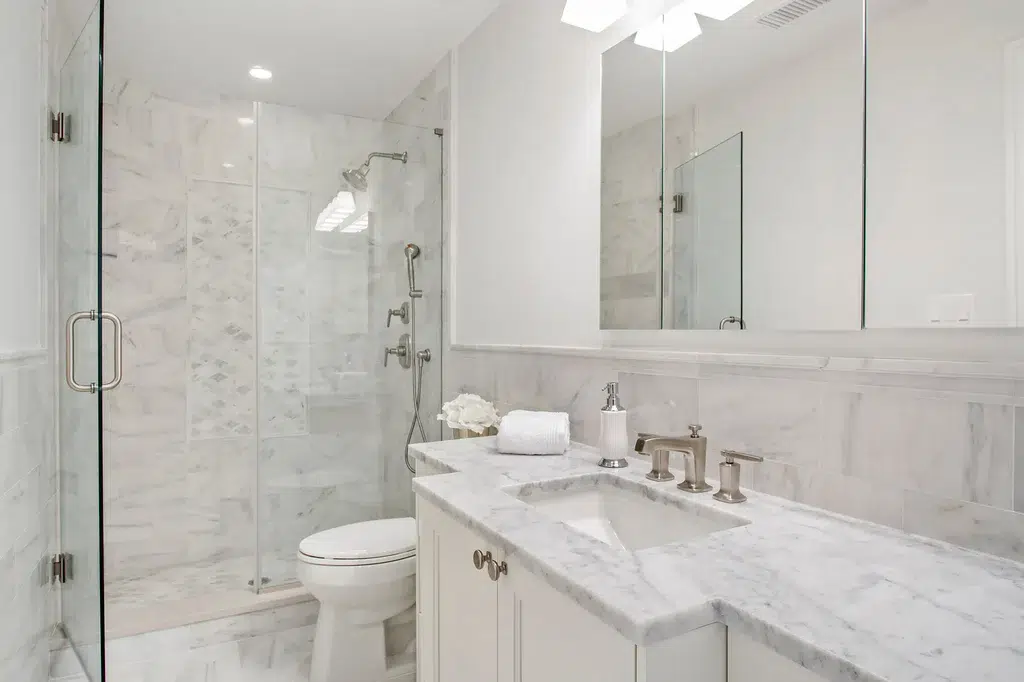
Faucets and Sink Fixtures
Here’s what you need to know about bathroom faucets: chrome will give you 10-15 years of service with proper maintenance. But here’s the catch – that mirror-like finish shows every water spot and fingerprint. You’ll find yourself wiping it down constantly just to keep it looking good.
Stainless steel bathroom faucets? They’ll stick around for 15-20 years. The brushed finishes are your friend here – they’re much better at hiding those inevitable fingerprints and mineral deposits that seem to appear out of nowhere.
Stainless Steel Shower Heads vs Chrome Options
Chrome shower heads come with a coating that’s just 0.3-0.6 microns thick over a brass or zinc base. Sure, the reflective surface makes your bathroom brighter, but every water mark shows up like a spotlight on it.
Stainless steel shower heads use Type 304 or 316 stainless steel composition. If you’re dealing with hard water or live near the coast, Grade 316 is your best bet – it handles corrosion like a champ. The beauty of stainless steel? It resists tarnishing and keeps looking good with minimal effort on your part.
Handheld Shower Heads: Material Considerations
Chrome-plated handheld shower heads can lose their luster over time. That coating takes a beating from daily use, and there’s not much you can do to prevent it.
Stainless steel handheld shower heads maintain their structural integrity without cracking or becoming brittle. Here’s something cool: the chromium oxide layer actually heals itself when scratched, preventing rust from taking hold. A quick wipe with a soft cloth keeps stainless steel looking new for years, while chrome demands more frequent attention to prevent tarnishing.
Low Flow Shower Heads: Performance by Material
Federal regulations cap new shower heads at 2.5 GPM, though states like California, Colorado, and New York push that down to 1.8 GPM. The material you choose won’t change your flow rate, but it absolutely affects how long your shower head will last. Stainless steel low flow shower heads handle prolonged water exposure without breaking down – perfect for those efficiency-focused installations.
Towel Bars and Accessories
Want a fun fact? Stainless steel towel rails conduct heat 15% better than chrome alternatives. The solid alloy construction gives you natural corrosion resistance all the way through, while chrome relies entirely on that surface plating for protection.
Humid bathrooms with all that steam? Stainless steel handles the moisture stress without breaking a sweat. Chrome towel bars heat up fast but lose that warmth just as quickly, whereas stainless steel holds onto the heat longer after your heating cycles end.
Chrome vs Stainless Steel Kitchen Fixtures
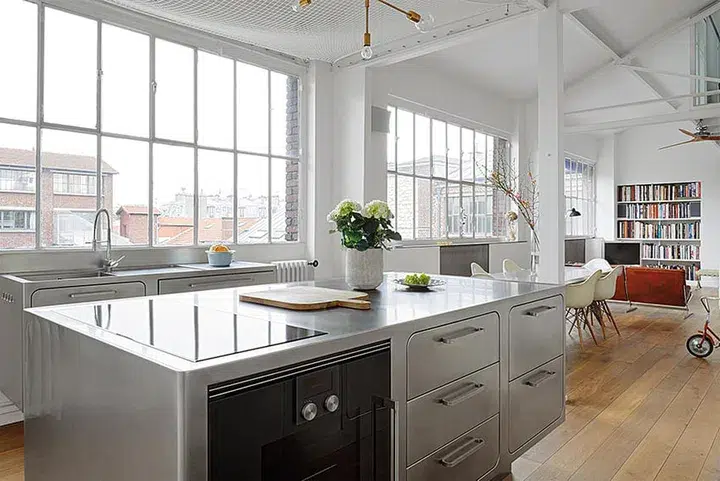
Kitchen Faucet Performance and Appearance
Your kitchen faucet gets a workout. Between washing dishes, filling pots, and cleaning vegetables, it’s one of the hardest-working fixtures in your home.
Chrome faucets deliver that polished mirror finish that makes your kitchen pop. The reflective surface pairs beautifully with stainless steel appliances and black granite countertops. You can get started with an entry-level chrome faucet around $50, with solid midrange options running $120-$300.
But here’s the reality check: that glossy surface shows every fingerprint and water spot. You’ll be wiping it down constantly if you want to maintain that showroom shine.
Stainless steel kitchen faucets take a different approach entirely. The brushed or matte finish actually works with you instead of against you, hiding smudges and mineral deposits that would stick out like a sore thumb on chrome. Premium models use 304-grade stainless steel for serious strength. Yes, you’ll pay more upfront – expect $100 minimum, with quality midrange models hitting $220-$500.
Trust us – that higher initial investment pays for itself through reduced maintenance and a longer lifespan.
Sink Hardware and Drain Assemblies
Drain finishes matter more than you might think. Brass works best as the foundation for polished chrome drains because it bonds better with electroplated coatings. Stainless steel drains? The finish IS the material itself. No coating to worry about, no plating that can chip or wear away.
Cabinet Pulls and Handles
Chrome gives you the brightest, most reflective silver finish – it literally acts like a mirror, bouncing light around your kitchen. Stainless steel sits somewhere between chrome and brushed nickel, usually with a brushed or satin texture.
Here’s something most people don’t realize: solid stainless steel hardware can be polished or sanded to remove scratches and dents. Try that with chrome plating and you’ll end up with exposed base metal underneath.
Durability, Maintenance and Long-Term Cost
Here’s where the rubber meets the road – how these materials actually hold up in real life.
Resistance to Corrosion and Scratches
Chrome’s Achilles’ heel is right there on the surface. That shiny coating looks great until it gets scratched or chipped. Once water starts getting underneath, the base metal begins to deteriorate fast. You’ve probably seen this happen – a small nick turns into a spreading rust spot over time.
Stainless steel takes a completely different approach. The protection isn’t just skin-deep – it goes all the way through the material. Scratch it, dent it, whatever – the underlying metal still fights off corrosion. It’s like having a bodyguard that doesn’t quit when things get rough.
Daily Cleaning and Care Requirements
Chrome demands attention. Lots of it. Every water spot shows up like a beacon, and fingerprints? Don’t even think about touching the faucet without a cleaning cloth nearby. Use the wrong cleaner or scrub too hard, and you’ll damage that delicate plating.
Stainless steel plays by different rules. That brushed finish actually works for you, hiding the daily battle scars of normal use. You can even use gentle abrasives when needed without worrying about ruining the finish. It’s the difference between babying your fixtures and actually using them.
Initial Purchase Price vs Replacement Costs
Let’s talk numbers. Chrome faucets start around $50-$120 for basic models, jumping to $300-$700+ for designer pieces. Stainless steel begins higher – $100-$220 entry level, $220-$500 midrange, with premium models exceeding $1,200.
But here’s the thing about that price difference: chrome’s lower upfront cost can fool you. When you factor in replacement cycles, that “bargain” starts looking expensive.
If you’re shopping at the top of that price range, our guide to high end bathroom fixture brands covers which luxury manufacturers are worth it for faucets, shower heads, sinks, tubs, and toilets.Lifespan Expectations for Each Material
Stainless steel fixtures can serve you faithfully for two decades or longer with minimal fuss. Put them in challenging outdoor environments? 18/10 stainless steel (SS316) delivers 20-50+ years of reliable service.
Chrome doesn’t offer those kinds of guarantees. The coating will eventually give up the fight, and when it does, replacement becomes your only option.
Environmental Impact and Recyclability
Stainless steel wins big here too. It’s 100% recyclable, with roughly 60% recycled content in any piece you buy. Chrome plating involves nasty chemicals in production, and recycling chromed products creates complications that solid metal doesn’t have.
Choose stainless steel, and you’re making a choice that’s easier on the planet – both now and when replacement time eventually comes around.
Quick Reference: Chrome vs Stainless Steel at a Glance
You’ve read through all the details, but sometimes you just need the facts laid out side by side. Here’s everything we’ve covered in one easy-to-scan table – perfect for when you’re at the store trying to make that final decision.
Keep this handy when you’re shopping – it’ll save you from second-guessing yourself in the fixture aisle.
| Attribute | Chrome | Stainless Steel |
|---|---|---|
| Material Type | Surface treatment/plating applied to base metal (steel, aluminum, brass, or copper) | Iron-based alloy with minimum 10.5% chromium throughout entire material |
| Composition | Thin chromium layer (0.003-10 μm decorative; 20-40 μm hard chrome) electroplated over base metal | Grade 304: 18% chromium, 8% nickel; Grade 316: includes molybdenum for enhanced corrosion resistance |
| Appearance/Finish | Mirror-like, highly reflective, brightest silver tone | Brushed or matte finish, sits between chrome and brushed nickel in color |
| Bathroom Faucet Lifespan | 10-15 years with proper maintenance | 15-20 years |
| Overall Lifespan | Not specified | 20+ years (20-50+ years for outdoor SS316) |
| Shower Head Construction | 0.3-0.6 microns coating over brass or zinc base | Type 304 or 316 stainless steel composition (316 superior for coastal/hard water areas) |
| Corrosion Resistance | Relies on surface plating integrity; vulnerable when coating scratches or chips | Resists corrosion, pitting, and rust through alloy composition; self-healing chromium oxide layer |
| Scratch Resistance | Coating can scratch, peel, or flake off; scratches compromise protection | Scratches don't compromise protection; underlying metal retains defensive properties; can be polished or sanded |
| Water Spots & Fingerprints | Shows water spots and fingerprints readily; requires frequent wiping | Muted surface better disguises spots and fingerprints |
| Maintenance Requirements | Frequent gentle wiping needed; harsh cleaners and rough sponges damage plating | Minimal maintenance; regular wipes with soft cloth; tolerates wider range of cleaning methods including gentle abrasives |
| Heat Conductivity (Towel Bars) | Warms quickly but loses heat faster | Conducts heat 15% better; retains warmth longer after heating cycles |
| Long-Term Cost Effectiveness | Lower initial cost but higher replacement frequency | Higher initial investment offset by reduced replacement cycles and minimal maintenance |
| Durability in Humid Environments | Surface plating susceptible to wear from daily use and moisture | Handles moisture stress confidently; maintains structural integrity without cracking or becoming brittle |
| Environmental Impact | Chrome plating involves chemicals with environmental impacts; recycling chromed products more complicated | 100% recyclable with approximately 60% recycled content |
| Best Applications | Budget-friendly option for specific applications; contemporary kitchens paired with stainless steel/black appliances | Superior for coastal areas, hard water conditions, high-use areas, and long-term installations |
Final Thoughts on Chrome vs Stainless Steel
So where does that leave you? The choice really comes down to what matters most in your situation.
Stainless steel takes the crown for durability – we’re talking 20+ years of reliable service with minimal fuss. The corrosion resistance alone makes it worth considering, especially if you’re dealing with hard water or coastal conditions. Yes, you’ll pay more upfront, but those replacement cycles add up fast with chrome.
Chrome has its place, though. That mirror-like finish creates a stunning look in contemporary kitchens, and if you’re working with a tight budget or going for a specific aesthetic, it gets the job done. Just know what you’re signing up for – more frequent cleaning and eventual replacement.
The bottom line? Choose chrome when budget is your main concern or when you love that high-gloss look and don’t mind the extra maintenance. Pick stainless steel for high-use areas, humid bathrooms, or anywhere you want to install once and forget about it for the next two decades.
Trust us – your future self will thank you for thinking long-term.